Sustainable Management of Invasive Weeds
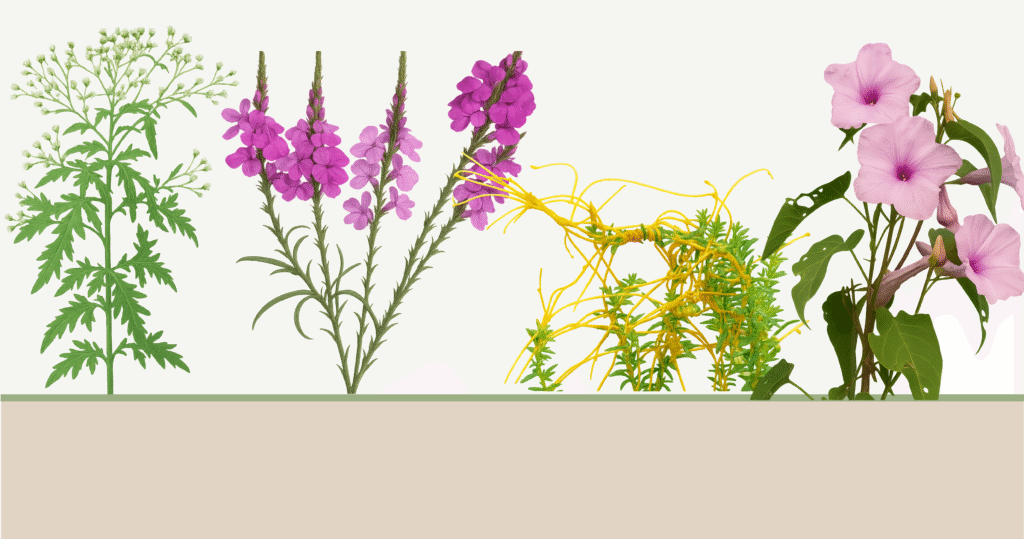
CWISA leads science-based research to achieve the sustainable management of invasive weeds across Africa. We study weed ecology, plant–weed–herbivore interactions, and pathways of spread to inform early detection and climate-smart control. Our work prioritizes nature-positive solutions, including biological control, habitat management, and the valorisation of noxious weeds into safe, circular-economy products such as biochar fertilizers and feed.
Medicinal Use of Indigenous and Invasive Weeds
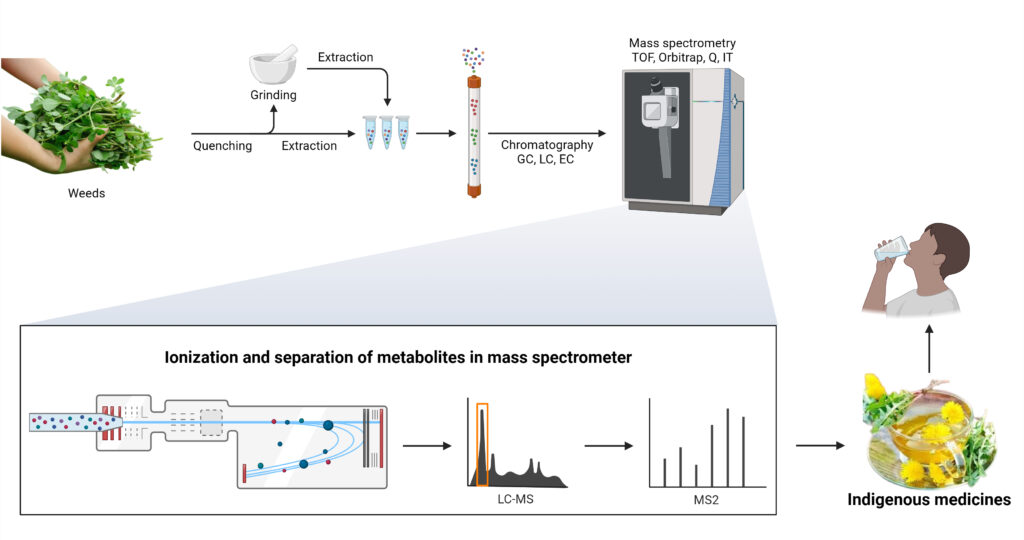
CWISA is actively unraveling the untapped therapeutic potential of weeds that dominate African landscapes. We combine field ecology, indigenous knowledge, and advanced plant metabolomics to map bioactive compounds in both indigenous and invasive species. Our integrated approach identifies novel metabolites, evaluates their pharmacological efficacy and safety, and explores pathways for their sustainable use.
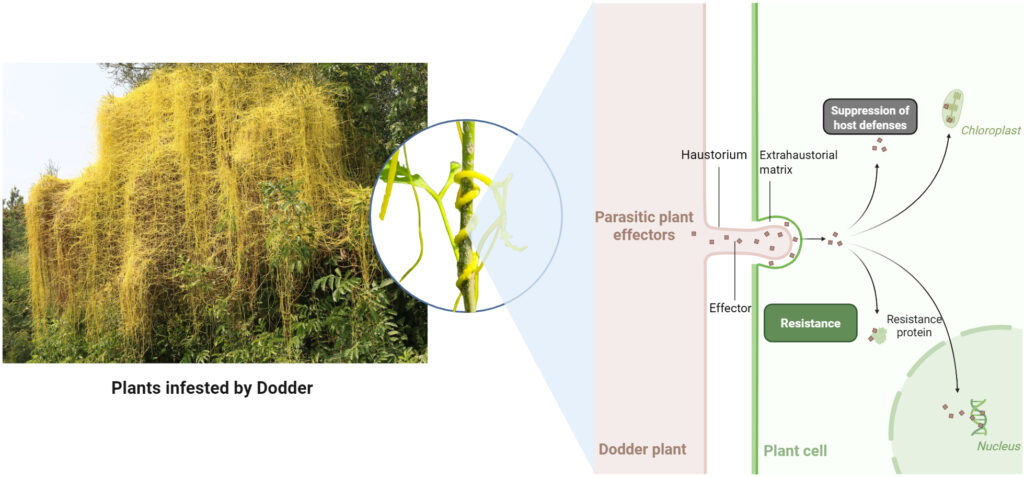
Molecular Mechanisms of Dodder Resistance in Indigenous African Trees
Dodder (Cuscuta spp.) is a parasitic plant that poses a major threat to agricultural and forestry systems by attaching to host plants, extracting nutrients, and impairing growth. In Africa, indigenous trees that are critical for ecosystem services, soil conservation, and local livelihoods are increasingly impacted, yet the molecular mechanisms underlying their innate resistance to dodder remain poorly understood.
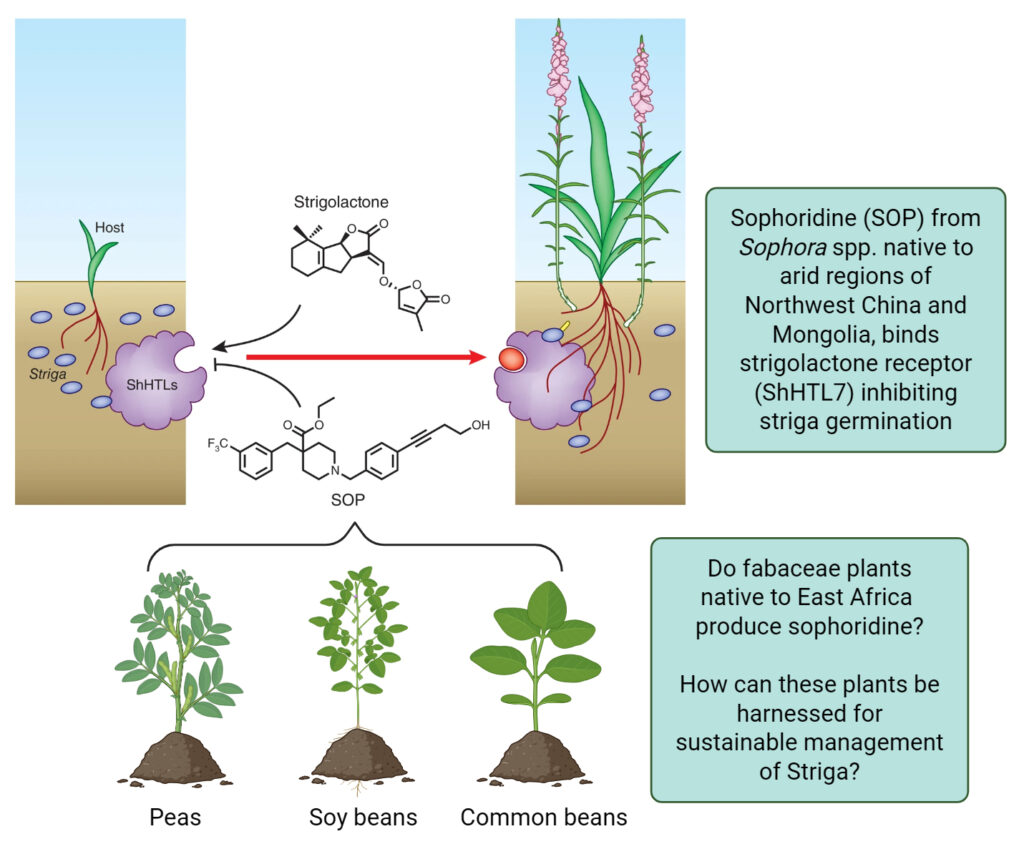
Disrupting Striga at the Molecular Gate
Striga is one of Africa’s most destructive parasitic weeds, severely constraining cereal production—especially maize and sorghum. It infests tens of millions of hectares, often causing 20–80% yield losses and, in heavily infested fields, complete crop failure.
Sophoridine—an alkaloid predominantly isolated from Sophora spp. (Fabaceae)—binds Striga receptors (e.g., ShHTLs), thereby inhibiting seed germination. However, its availability is limited because Sophora is not native or widely cultivated in Africa. There is an untapped opportunity to identify local Fabaceae crops and wild species that naturally produce sophoridine or related alkaloids, which could provide accessible, plant-based Striga suppression—especially when intercropped with maize.